MTL or DTL: which vaping style suits you?
MTL or DTL is the first genuine fork in the road for anyone buying a device in Britain, and almost every other decision follows from it. The two initials describe two different ways of moving air, and they pull the hardware, the coil, the liquid and even the size of your daily spend in opposite directions. Picking the wrong side is the most common reason a new kit ends up unused in a drawer. This guide sets out what each style feels like and how to work out which one you are actually after.
MTL or DTL: what the two initials mean
MTL stands for mouth to lung. You draw vapour into the mouth first, hold it there briefly, then inhale it. The draw is tight, the airflow slot is narrow, and the whole action mirrors the way a cigarette is smoked.
DTL stands for direct to lung. You inhale straight into the chest in one movement, the way you would through a wide straw, and the airflow is open enough that there is little resistance to push against. Vapour volume rises sharply as a result.
DTL is the abbreviation used across British retail, and it is what you will see printed on listings, on coil boxes and on airflow markings. Between the two sits RDL, restricted direct to lung, which is a direct inhale through a deliberately narrowed airflow.
Those three labels are not marketing categories. They describe measurable differences in airflow area and in the resistance of the coil fitted, and a shop assistant asking which one you want is asking a technical question rather than a stylistic one.
What MTL gives you
An MTL setup runs on higher resistance coils at modest power, and it uses very little liquid. A 2 ml pod, which is the maximum a refillable British tank may hold, can last a full day on a tight draw, whereas the same pod on an open one will not see lunchtime.
Flavour presents differently too. Concentrating the vapour in a small volume of air produces a denser, more defined aromatic impression, which is why tobacco and menthol blends are usually built for this style. Sweet bakery flavours can turn cloying in a narrow channel.
The devices are smaller, quieter and more discreet. Almost every compact pod kit sold in Britain is designed around MTL first, and it is the style most people meet when they buy their first device, a decision covered in our guide to choosing a vape kit for beginners.
What DTL gives you
A DTL setup runs on sub ohm coils at much higher power, with wide airflow and a device able to sustain it. The reward is volume: a large, warm, soft cloud that carries flavour differently, spreading it rather than concentrating it.
The costs are equally real. Liquid consumption multiplies, coils wear faster because they are working harder, and battery life falls accordingly. On a 2 ml capacity limit, that means refilling several times a day rather than once, which is a genuine daily habit rather than a footnote.
Liquid choice narrows too. High vapour setups take thicker, higher glycerine blends that a narrow MTL wick could never keep up with, and the same bottle used in a tight pod would starve the coil. The relationship between coil, tank and liquid is unpicked in our guide to vape coils and tanks.
RDL, the middle ground
Restricted direct to lung is not a compromise in the weak sense. It is a distinct style with its own hardware, delivering a direct inhale through an airflow tightened enough to keep some of the density MTL is prized for.
It suits people who find a full DTL draw too airy to feel like anything and a tight MTL draw too constricted to be comfortable. Plenty of British pod kits now ship with an adjustable airflow ring that lets a single device sit in this middle territory.
There is a second reason RDL has grown in Britain. With refillable capacity fixed at 2 ml for everyone, a style that produces a satisfying draw without emptying the pod in an afternoon is simply more practical here than it is in markets with larger tanks.
The catch is that a device advertised as adjustable is rarely equally good at both extremes. Airflow rings widen the window, they do not turn one style of hardware into another, and the coil fitted matters more than the ring position.
Choosing between MTL or DTL in practice
Start from what you want the experience to be rather than from a product listing. If discretion, low liquid consumption and a familiar tight draw matter most, MTL answers all three, and the hardware is cheaper to run.
If you want visible vapour, an open airy inhale and a device you enjoy handling, DTL is the honest answer and the running costs come with it. Wanting both is normal, and it is what RDL exists for.
Noise and heat are worth adding to the list, because neither appears on a specification sheet. An open DTL draw is audible across a quiet room and delivers noticeably warmer vapour, while a tight MTL draw is close to silent and stays cooler. People who vape indoors or at work tend to discover that preference the hard way.
Two practical checks help. Look at how much liquid you are willing to buy and carry, since that alone separates the two styles, and look at whether you want a device that disappears in a pocket or one you are content to see. Strength interacts with all of this, which is why we treat it separately in our guide to nicotine strength in mg and percentage rather than attaching a figure to a style.
Frequently asked questions
Which style is easier to start with?
MTL is usually the simpler entry point. The devices are less involved, the draw is familiar to most people, and a 2 ml pod lasts far longer.
Does DTL really use more liquid?
Considerably more. Wider airflow and higher power vaporise liquid much faster, so the same tank empties several times over in a day.
Can one device do both?
Some can approximate both by changing coil and airflow, but most hardware is optimised for one style and performs noticeably better in it.
What does RDL stand for?
Restricted direct to lung. It is a direct inhale through a deliberately narrowed airflow, sitting between the other two styles.
Why is my throat sensation harsher on one setup than another?
Airflow, coil resistance, liquid base and strength all feed into it. Changing one at a time is the only reliable way to find which is responsible.
Settling the MTL or DTL question
Neither style is an upgrade on the other, and treating DTL as the advanced option is how people end up with hardware they do not enjoy. They are two different objects built for two different sensations, and the honest question is which sensation you are trying to buy.
Work through it in order. Decide on the draw first, let it select the coil resistance, let the coil select the tank or pod, and only then look at brands and colours. Doing it the other way round, starting from a device that caught your eye, is what produces mismatched setups.
Remember the British constraint that applies whichever way you go: refillable tanks and pods hold 2 ml, so a high volume style means refilling often. Weigh that against the discretion of a tight draw and the MTL or DTL decision usually answers itself within a week of honest use.
Editorial content for adult readers only. Vaping products usually contain nicotine, a substance that causes addiction. Not for sale to under-18s in the United Kingdom. This article is not a buying recommendation.
Further reading
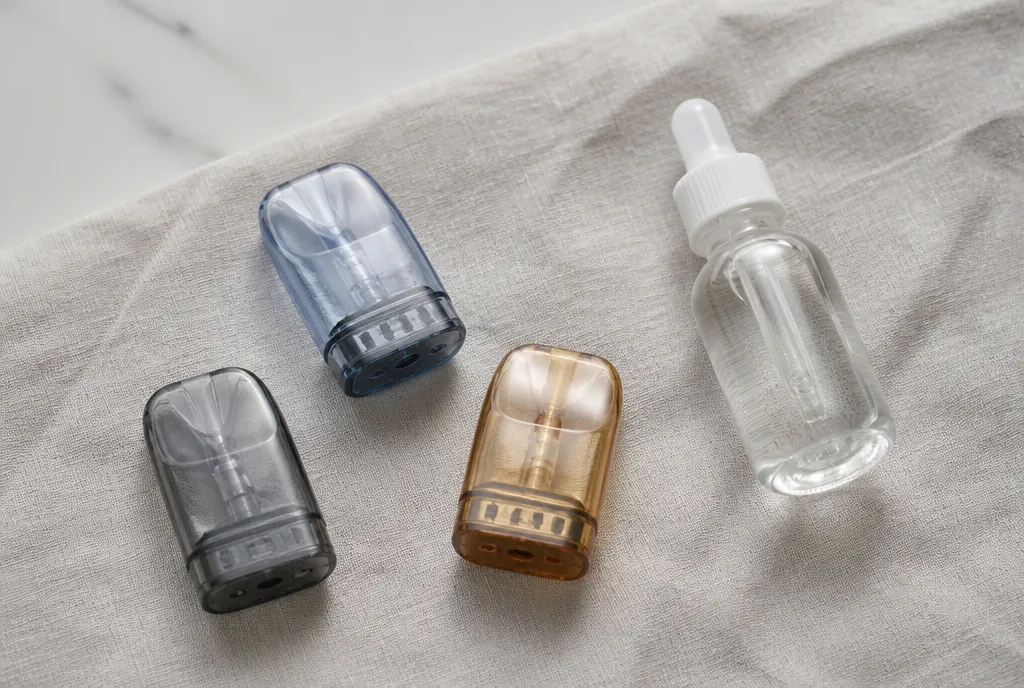
Aspire Pixo Max, matching the draw to the right pod
Aspire Pixo Max set up properly, which Pixo pod, which ECO, NOR or MAX level and how much airflow for your draw, on the 2 ml TPD edition.

Temperature control vaping explained, wire by wire
Ni, Ti and SS modes, cold calibration, a sensible first setting and TCR. Temperature control vaping explained, with a wire to mode table.
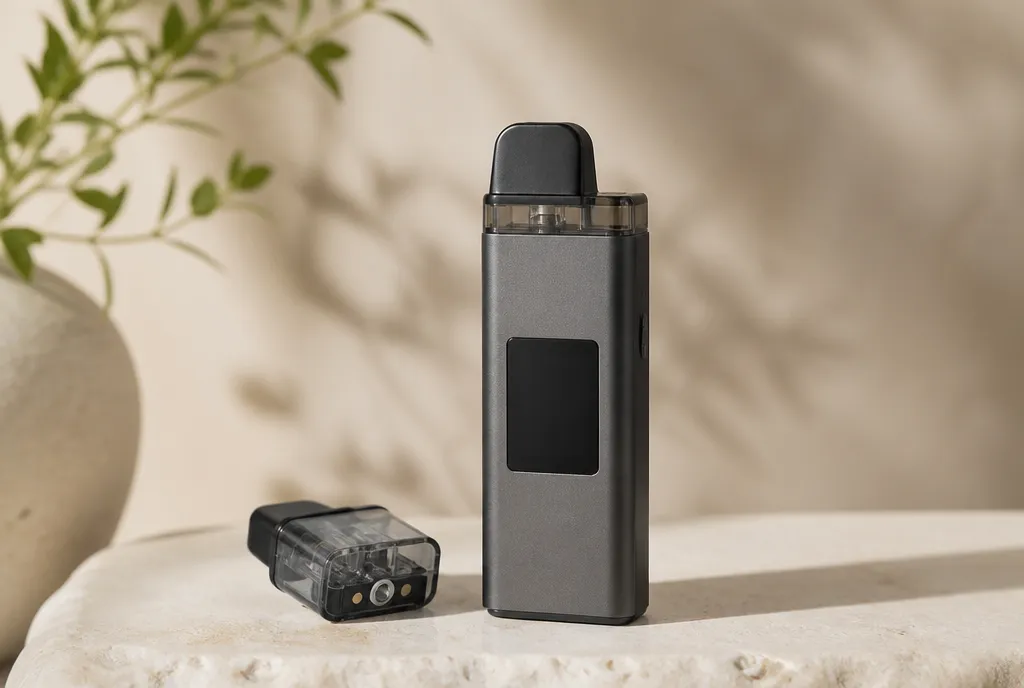
Vaporesso Luxe XR Max 2, a guide to its settings and coils
Vaporesso Luxe XR Max 2 set up properly, which GTX coil at which wattage, Pulse, Eco and Smart modes, the menu and the built-in protections.