Vape coils and tanks: how to choose yours
Vape coils and tanks are the working heart of any kit sold in Britain. The tank holds the liquid, the coil heats it, and everything you notice in the mouth comes from the two of them agreeing with each other. Get the pairing wrong and you meet leaks, a burnt note after two days, or a draw that feels nothing like what you expected from the listing. This guide explains how to read a coil, how to pick a tank around it, and where British rules change the shape of the object in your hand.
What vape coils and tanks actually do
A coil is a heating element wrapped around, or built into, a piece of absorbent wicking material. Liquid soaks into the wick, current passes through the metal, and the liquid turns to vapour at the surface. Nothing else in a kit performs that job, which is why coil condition explains most of the sudden drops in flavour people blame on the device.
The tank, still widely called a clearomiser in British shops, is the transparent chamber that holds the liquid and positions the coil in it. Its job is to keep the wick fed, to seal against leaks, and to route air past the coil on its way to the mouthpiece. Sub ohm tanks and MTL tanks look similar on a shelf and behave nothing alike.
The word you meet on the shelf depends on the retailer more than on the product. Clearomiser, tank and pod overlap heavily in British listings, and a pod is simply a tank built to slot into one specific device rather than to screw onto a threaded connection. The choice you are really making is between a part you can replace on its own and a part sold as a sealed block.
Reading a coil before you buy it
Two markings settle almost everything. The first is the resistance, printed in ohms on the body of the coil. The second is the wattage range, printed next to it, which tells you the window the manufacturer tested that coil in.
Treat that printed range as the instruction, not as a starting point to beat. It is specific to the wire, the wicking material and the liquid channels of that exact coil, and no general figure quoted online can replace it. Running above the top of the window is the fastest way to scorch cotton and produce the acrid taste people mistake for a faulty batch.
Resistance itself splits the market in two. Values above one ohm draw less current, produce less vapour and suit tight draws. Values below one ohm, described as sub ohm, pull far more power and produce a much larger volume. Everything else about a setup follows from which side of that line you sit on.
If your device takes removable cells rather than a built in battery, the reading exercise extends to the cell itself. Look up the manufacturer datasheet for that exact model and read its continuous discharge rating and its chemistry, rather than trusting a figure printed on a wrapper or repeated in a marketplace listing. Wraps are reprinted by resellers, datasheets are not, and that gap is where most cell incidents begin.
Matching vape coils and tanks to your draw
Your draw style should be decided first, because it dictates both purchases. A tight, restricted draw pairs with higher resistance coils, low power and a narrow airflow slot, and it consumes very little liquid across a day. That is the pairing behind almost every compact refillable pod sold in Britain.
An airy, direct draw pairs with sub ohm coils, wide airflow and a device able to feed them. Vapour volume rises sharply, liquid consumption rises with it, and coil life shortens accordingly. Our comparison of MTL or DTL vaping works through what each of those two draws feels like before you commit money to either.
The pairing also shapes the liquid you buy. High vapour setups are usually run on thicker, higher glycerine liquids that a narrow wick cannot pull fast enough, while restricted setups take thinner blends. Strength interacts with all of it, a subject covered separately in our guide to nicotine strength in mg and percentage.
What the British 2 ml cap changes about vape coils and tanks
British rules cap the capacity of a refillable tank or pod at 2 ml, and cap nicotine containing liquid at 20 mg per ml sold in bottles of no more than 10 ml. That single capacity limit explains a great deal about the hardware on sale here, and it is the first thing to check when a specification sheet copied from another market quotes a larger figure.
A 2 ml chamber feeding a sub ohm coil empties quickly, which is why heavy vapour users in Britain refill several times a day rather than once. It also means tank designers compete on filling systems and airflow rather than on volume, since volume is fixed by law for everybody.
The practical consequence is that a listing quoting 4 ml or 5 ml is quoting an export specification. The number that matters is the one on the packaging of the product actually sold to you here, not the one copied from an international product sheet. That check takes a few seconds and saves an argument later.
Wear, priming and cleaning
Coils are consumables and they are meant to be replaced. A burnt edge to the flavour, a sudden drop in vapour or a gurgle that will not clear are the usual signs, and most people land somewhere between one and three weeks depending on how much they vape and how sweet their liquid is. Heavily sweetened flavours coat the wire faster than plain ones.
Priming a new coil is the one habit that pays for itself. Wet the exposed wicking through the ports, fill the tank, then leave it standing for a few minutes before the first draw so the cotton is saturated. Firing a dry wick ruins a coil in a single puff, and no warranty covers it.
Cleaning matters on the tank side. Rinsing the chamber in warm water when you change coils, and drying it properly before refilling, keeps flavours from stacking on top of each other and keeps seals supple. Hardened seals are the leading cause of the leaks people blame on the coil.
Frequently asked questions
What does sub ohm mean?
It describes a coil with a resistance below one ohm. Those coils draw more current, produce more vapour and are built for open, direct draws rather than tight ones.
How often should a coil be replaced?
Most people land between one and three weeks. Flavour is the real indicator: a burnt or muted taste means the wicking is spent, whatever the calendar says.
Why is my tank leaking?
Usually a coil that is not seated squarely, a perished seal, or liquid filled past the fill line into the central airflow chimney. Strip it, check the seals, refit and refill more carefully.
Are coils interchangeable between brands?
Rarely. Most manufacturers use proprietary fittings, and even within one brand two ranges with similar names can take entirely different coils. Check the exact series name printed on the tank.
Can I clean a coil and reuse it?
Rinsing buys a little flavour back at best. The wicking material degrades and does not recover, so a rinsed coil is a stopgap rather than a repair.
The short version on vape coils and tanks
Read the coil first. Its ohm value and its printed wattage range tell you what device it belongs on and what it was tested to do, and staying inside that window solves most of the complaints people bring to a shop counter. Choose the draw you want next, then let it decide whether you are shopping above one ohm or below it.
Choose the tank around that decision rather than around capacity, since British law fixes capacity at 2 ml for everyone. Buy the coils in the same trip, prime them properly, and treat them as the consumable they are. Handled that way, vape coils and tanks stop being a source of trouble and become the cheapest lever you have on how a setup performs. The wider context for hardware sold here is covered in our round up of vaping changes in 2026.
Editorial content for adult readers only. Vaping products usually contain nicotine, a substance that causes addiction. Not for sale to under-18s in the United Kingdom. This article is not a buying recommendation.
Further reading
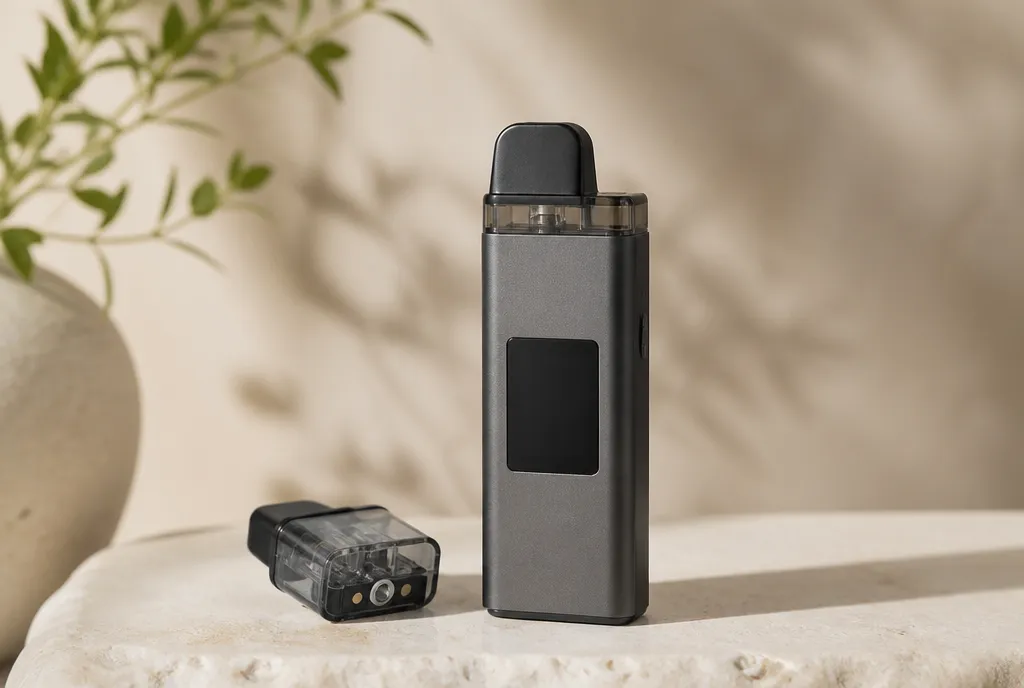
Vaporesso Luxe XR Max 2, a guide to its settings and coils
Vaporesso Luxe XR Max 2 set up properly, which GTX coil at which wattage, Pulse, Eco and Smart modes, the menu and the built-in protections.
Oxva VPrime: what this 60 W pod kit really is
Battery, output, pods and the capacity British listings cannot agree on: what the Oxva VPrime actually is, and why it is not an Xlim under another name.
Choosing a vape kit for beginners in Britain
Three questions settle a first purchase: how simple you want it, what draw you want and what the label must tell you. A method, not a shopping list.