Vaping changes in 2026: what British law now says
More has moved in British vaping law over the last eighteen months than in the decade before it, and most of what circulates in shop queues is out of date. The vaping changes in 2026 are not a single announcement but a sequence of dated steps, some already in force, some confirmed for later in the year, and one still only a consultation. This round up separates the three, so you know what has actually changed about the products on the shelf and what is simply being discussed.
What the vaping changes in 2026 actually cover
The Tobacco and Vapes Act received Royal Assent on 29 April 2026. It is law, but a great deal of what it contains arrives through later regulations rather than immediately, which is the main source of confusion.
Two dates in the autumn carry the weight. From 1 October 2026, a new excise duty applies to e-liquid. From 29 October 2026, the age of sale rules widen to cover products they did not previously reach.
Everything else falls into two piles. There are earlier measures already in force, chiefly the disposables ban of June 2025. And there is an open consultation on how vaping products look and are displayed, which closes in early October and has decided nothing yet.
Single use disposables are gone and are not returning
Selling single use vapes has been unlawful across the United Kingdom since 1 June 2025. The ban targets the format, not the brands, and the familiar names simply moved their ranges onto rechargeable pod kits that remain perfectly legal to buy.
Owning or using a device bought before the ban has never been an offence. What has changed is availability, and anyone still selling single use stock is trading unlawfully rather than clearing an old shelf.
The practical effect on daily use is that the entry point to vaping is now a rechargeable device with a refillable or replaceable pod. That shift is what makes hardware choices matter again, and our guide to vape coils and tanks covers the decisions that come with it.
A duty on every bottle from October
From 1 October 2026, e-liquid sold in Britain carries an excise duty charged by volume. It is a flat rate per 10 ml, and, importantly, the rate does not vary with nicotine strength.
Zero nicotine liquid is not exempt. That catches a lot of people out, because shortfills sit outside several other rules and many assumed the duty would follow the same logic. It does not, and the tax authority has been explicit on the point.
Registration for businesses affected opened on 1 April 2026, which is why supply chains have been adjusting all year. A further step follows on 1 April 2027, when selling e-liquid without a duty stamp becomes an offence in its own right.
The age rules widen at the end of October
Britain has required buyers to be 18 for years, but the statutory restriction only ever caught products containing nicotine. Zero nicotine vapes and nicotine pouches fell outside it, which was a genuine gap rather than an urban legend.
From 29 October 2026, that gap closes. The 18 minimum covers every vaping and nicotine product, zero nicotine devices and pouches included. The same date brings a ban on vape vending machines and a ban on free samples.
One widely repeated claim is wrong and worth correcting plainly. The smokefree generation rule taking effect on 1 January 2027, under which tobacco cannot be sold to anyone born on or after 1 January 2009, applies to tobacco products only. The vaping age is 18 and is not moving.
What the vaping changes in 2026 do not include
No flavour ban exists and none has been proposed. The Act gives ministers the power to restrict flavours, but a power is not a decision, and nothing has been laid before Parliament.
The consultation that opened on 10 July 2026 and closes on 2 October 2026 covers packaging, device appearance and retail display. On the table are standardised packaging, a restricted palette of device colours, keeping products out of sight in shops, and plain flavour names on the label. That last point is about what a bottle is called, not what is in it.
None of that is law and none of it can be until the consultation closes and regulations are drafted. An advertising and sponsorship ban, including online, is a stated government intention for June 2027 rather than a settled rule.
The limits that have not moved
Underneath the new dates, the product rules from the 2016 regulations still stand, and they are the ones that shape what you physically buy. Nicotine containing liquid is capped at 20 mg per ml and sold in bottles of no more than 10 ml. Refillable tanks and pods are capped at 2 ml.
That 2 ml limit applies to the device regardless of what you put in it, because the law defines an electronic cigarette by what it can do rather than by its current contents. It is why every British tank is the size it is, and why an imported listing quoting a larger capacity is quoting another market.
Every product must also be registered with the medicines regulator before a shop can lawfully sell it. If a bottle, a pod or a strength breaches any of those limits, it is not legal here whatever the listing says, and the strength side of it is unpicked in our guide to nicotine strength in mg and percentage.
Frequently asked questions
Are disposable vapes still available anywhere?
No. Selling single use vapes has been unlawful across the United Kingdom since 1 June 2025. Rechargeable pod kits from the same brands replaced them.
Does the new duty apply to zero nicotine liquid?
Yes. The duty is charged by volume at a flat rate and applies whether or not the liquid contains nicotine, shortfills included.
Is the vaping age rising to 21?
No. It stays at 18. What changes on 29 October 2026 is the scope, so that zero nicotine vapes and nicotine pouches are covered too.
Are vape flavours being banned?
No. The open consultation proposes restricting flavour names on labels to plain descriptions. No ban on flavour ingredients has been proposed.
Do I need to replace my current device?
Nothing in the new measures makes an existing legal device unlawful to own or use. If it is compliant and working, it stays that way.
Where the vaping changes in 2026 leave you
Read the calendar rather than the headlines. Two measures land in October, one on the price of liquid and one on who may be sold what, and both are confirmed. A duty stamp requirement follows in April 2027, and an advertising ban is intended for June 2027 without being settled.
Everything about packaging, colours, shop displays and flavour names remains a consultation until it is not. Treating a proposal as a rule is the single most common error in the coverage of the vaping changes in 2026, and it drives a fair amount of unnecessary stockpiling.
For the commercial picture behind those dates, our overview of the British vape market sets out how retailers have reorganised around them, and the hardware consequences run through our comparison of MTL or DTL vaping.
Editorial content for adult readers only. Vaping products usually contain nicotine, a substance that causes addiction. Not for sale to under-18s in the United Kingdom. This article is not a buying recommendation.
Further reading
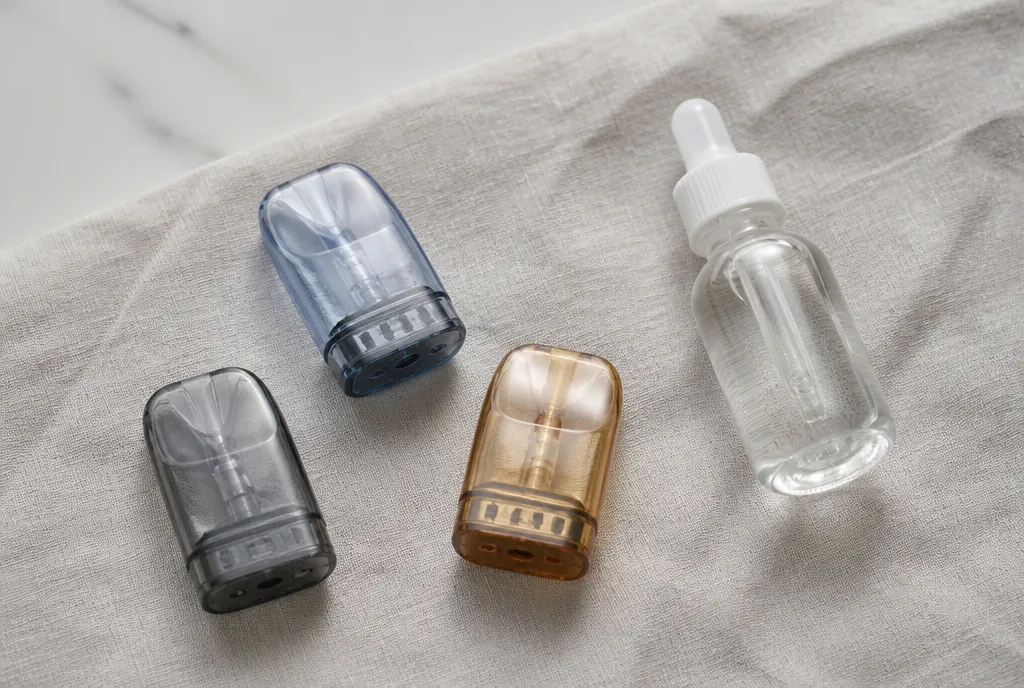
Aspire Pixo Max, matching the draw to the right pod
Aspire Pixo Max set up properly, which Pixo pod, which ECO, NOR or MAX level and how much airflow for your draw, on the 2 ml TPD edition.
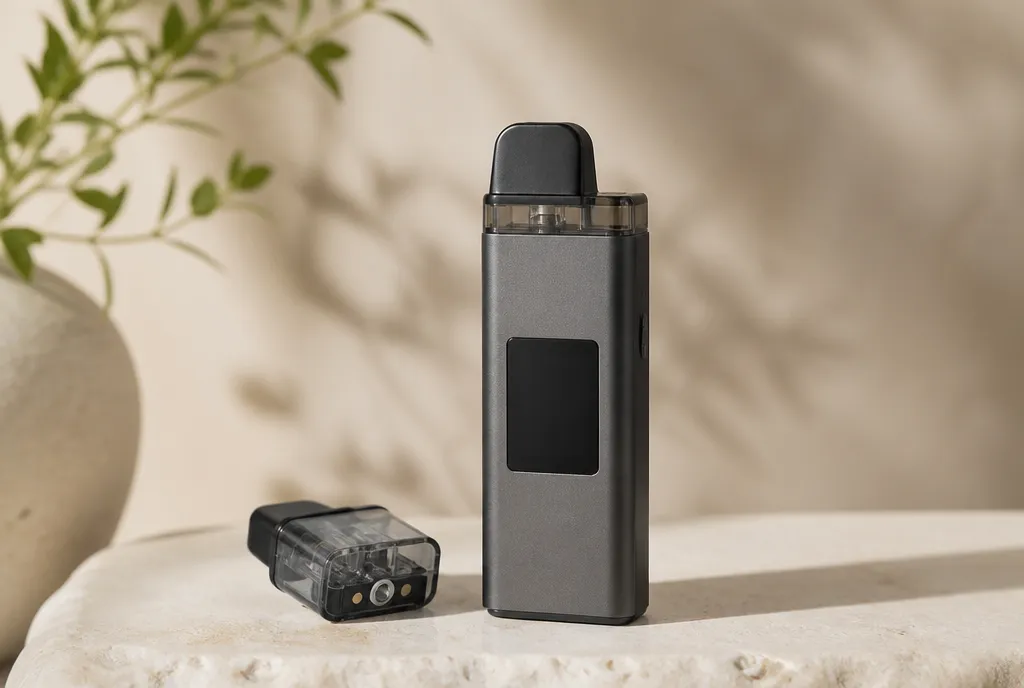
Vaporesso Luxe XR Max 2, a guide to its settings and coils
Vaporesso Luxe XR Max 2 set up properly, which GTX coil at which wattage, Pulse, Eco and Smart modes, the menu and the built-in protections.

Temperature control vaping explained, wire by wire
Ni, Ti and SS modes, cold calibration, a sensible first setting and TCR. Temperature control vaping explained, with a wire to mode table.